
Cybersecurity Speaker, Darkweb Investigator, Ransomware Negotiator
Expert Dark Web Open-Source Intelligence (OSINT) investigator. and Discrete Data collector.
Hacker / Investigator
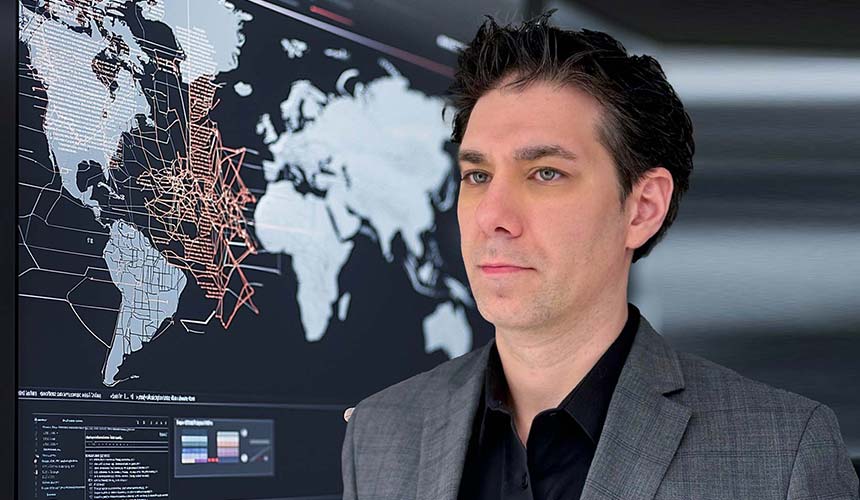
A lifelong entrepreneur, Vinny Troia started his first company at 17, and is currently the Founder and CEO of NightLion Security.
Keynote speaker
Vinny regularly speaks at global conferences and private corporate events, on all topics related to cybersecurity
Security Expert
Vinny has been hacking since the early 90s, is a Certified Ethical Hacker, and holds a PhD in Information Security.
The Work and Impact of Vinny Troia
01/04
Who Is Vinny Troia
Vinny Troia is the expert to investigate Dark Web threats or guide companies after a cyberattack. He has led major cybersecurity research and uncovered some of the world’s largest data breaches.
02/04
Security Keynote Topics and Videos
Interested in booking Troia for your next conference or corporate event? Troia’s talks are interactive, engaging, and always highly entertaining. Don’t take our word for it, find a topic you are interested in, and watch for yourself!


03/04
Books, Papers, Written Publications
Troia has grown up in the technology revolution and refined his underground IT skills to include a breadth of knowledge that spans his expertise across security, forensics and digital investigations. Check out his selected works here.
04/04
TV, Media and News Appearances
Troia is considered one of the national media’s go-to experts on cybersecurity-related topics and is regularly featured on major news networks like CNBC, Fox, and ABC. Check out some featured clips.
Featured on
Featured Media Segment: Using AI to protect against Cyber Fraud & Scams - NBC with Vinny Troia
AI can be a great tool to help protect you against AI-based scams and fraud. Learn ways to detect fraud and how to leverage AI to help against voice scams, phishing, hackers and fraudsters.
